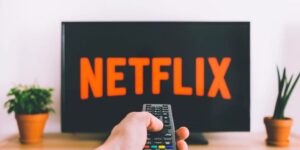
Binge-watching, consuming multiple episodes or even an entire season of a television series in a single extended sitting, has become a defining characteristic of contemporary television consumption, reshaping viewing habits, cultural conversation, and even how shows themselves are written and structured.
Why Binge-Watching Became So Popular
The removal of weekly release schedules, combined with the psychological satisfaction of narrative momentum, makes binge-watching an appealing way to consume serialized stories. Once major streaming platforms began releasing entire seasons simultaneously, viewer behavior shifted rapidly toward this new consumption pattern.
The Effect on Show Structure
Writers increasingly craft television series with binge-watching in mind, often reducing the reliance on recap segments or heavy exposition at the start of each episode, since viewers are assumed to be watching consecutively rather than returning after a week-long gap between episodes.
The Shift in Cultural Conversation
Traditional weekly television releases fostered shared, ongoing cultural conversations as audiences watched and discussed episodes together in real time. Binge-watching has fragmented this experience, since viewers now finish shows at different paces, though it has also enabled new forms of concentrated, intense post-viewing discussion once a show is complete.
The Return of Weekly Releases
Interestingly, some streaming platforms have recently reintroduced weekly episode releases for certain shows, recognizing that sustained weekly engagement can extend a show’s cultural relevance and anticipation over a longer period compared to the more intense but shorter attention burst generated by an all-at-once release.