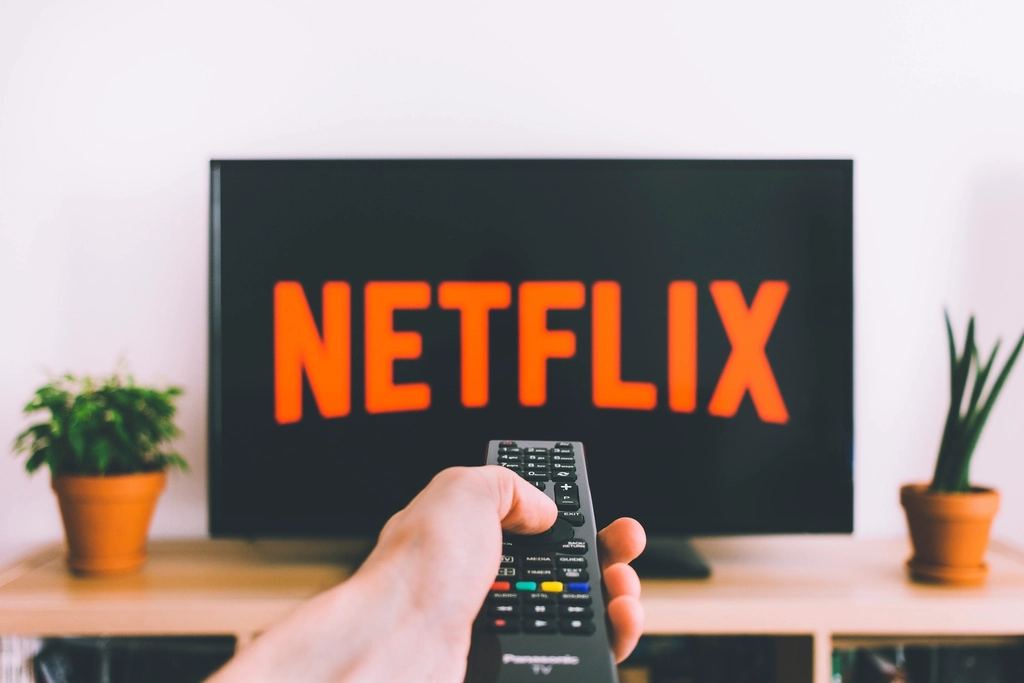
For decades, watching television meant tuning in at a specific scheduled time, a practice often called appointment viewing. The rise of streaming platforms has fundamentally dismantled this model, giving viewers unprecedented control over when and how they consume television content.
From Fixed Schedules to On-Demand Access
Streaming platforms removed the constraint of a fixed broadcast schedule entirely, allowing viewers to watch content whenever they choose. This shift has fundamentally changed viewing habits, with many audiences now expecting immediate, flexible access rather than planning their schedules around a broadcaster’s programming.
The Impact on How Shows Are Structured
The shift away from appointment viewing has influenced how television shows themselves are structured, with many series now designed around season-long narrative arcs intended for continuous viewing, rather than the more episodic, self-contained structure that dominated traditional broadcast television for decades.
Changing Advertising and Revenue Models
Streaming’s shift away from traditional broadcast schedules has also transformed how television content generates revenue, moving from advertising-supported models tied to live viewership toward subscription-based models, or in some cases, hybrid models incorporating limited advertising within an on-demand structure.
What Remains of Appointment Viewing
Despite the dominance of on-demand streaming, certain content, particularly live sports and major cultural events, retains some of the appointment viewing dynamic, since the shared, real-time experience of watching something unfold live still holds unique value that on-demand viewing cannot fully replicate.